



Blog
How to Apply Perfume to Make It Last All Day: 10 Expert Tips

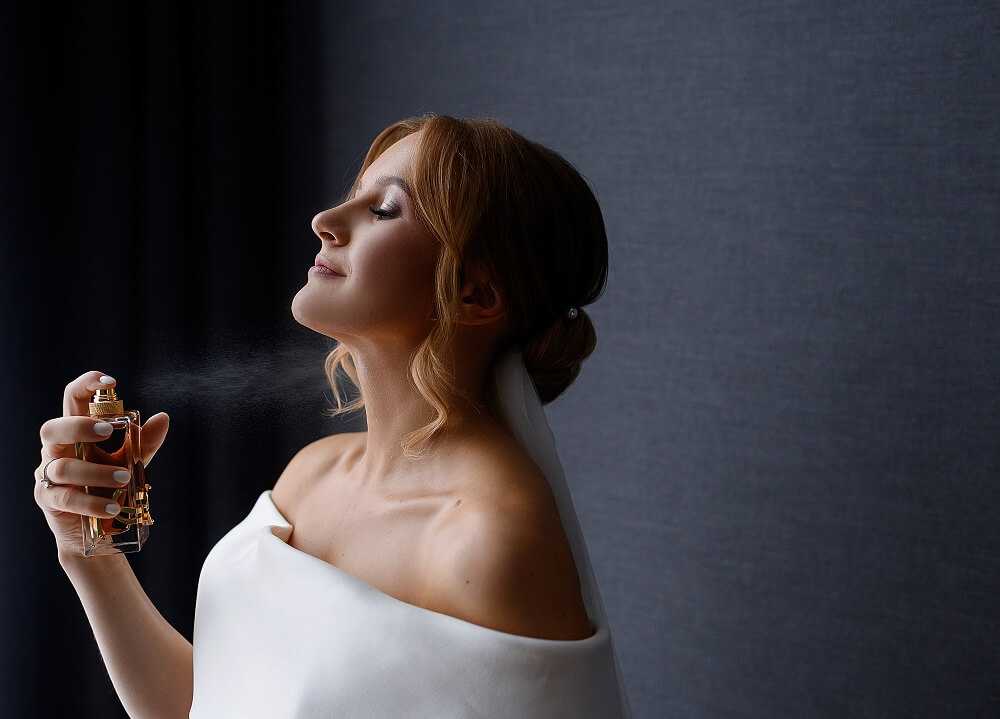
Discover the secrets to making your favorite ladies’ perfume last longer, project further, and smell more captivating with our expert application guide. Learn how to enhance your fragrance’s impact and ensure it leaves an unforgettable impression throughout the day.
Expert Insight: “Applying perfume directly after a warm shower onto hydrated skin locks in fragrance molecules while your skin’s surface temperature is elevated, significantly increasing scent projection and sillage.” — Elena Vos, Master Perfumer & Olfactory Consultant
Key Takeaways:
- Prep & Hydrate: Apply perfume after a warm shower on clean skin; layer with an unscented moisturizer or body oil 60 seconds prior to trap scent molecules.
- Target Heat Radiaors: Focus spritzes on warm pulse points—wrists, neck, behind ears, inner elbows, chest/heart center, and behind the knees.
- Never Rub: Avoid rubbing wrists together; friction crushes delicate top notes and accelerates premature evaporation.
- Mind the Notes & Expiration: Deeper base notes (oud, musk, amber, vanilla) outlast light citrus top notes. Replace oxidized bottles after 1–3 years.
Table of Contents
Understanding Fragrance Concentrations & Longevity
- Choose the Right Scent Profile & Notes
- Start Fresh & Layer Moisture
- Target Your Body’s Natural Radiators (Pulse Points)
- Avoid Rubbing: Protect the Olfactory Pyramid
- Spritz from a Distance (Create a Scent Cloud)
- Consider Perfume Oils & Roll-Ons
- Layer Fragrances for Enhanced Sillage
- Keep Off Clothes (and Care for Hair)
- Mind Expiration Dates & Store Properly
- Freshen Up with a Travel Atomizer
- Frequently Asked Questions
Imagine this: You walk into a room, and heads turn—not just because of your outfit, but because of the captivating scent trail (sillage) you leave behind. The right fragrance can be your signature, leaving a subtle yet memorable impression long after you’ve stepped away.
But how do you apply perfume to make sure it’s not just a fleeting whiff? Let’s dive into how you can make the most out of your fragrance and ensure it stays enchanting all day.
Understanding Fragrance Concentrations & Wear Time
Before applying, it helps to understand your perfume’s oil concentration versus alcohol ratio. Higher oil concentrations mean richer performance and less evaporation.
| Fragrance Type | Perfume Oil % | Average Wear Time | Best Application Method |
| Parfum / Extrait | 20% – 30% | 8–12+ hours | Direct, light dab on key pulse points |
| Perfume Oils / Roll-Ons | 20% – 50% | 8–10 hours | Direct skin glide (hydrating carrier oils) |
| Eau de Parfum (EDP) | 15% – 20% | 6–8 hours | Spritzed on warm pulse points |
| Eau de Toilette (EDT) | 5% – 15% | 4–6 hours | Broad application on skin |
| Eau de Cologne / Body Mist | 2% – 5% | 1–3 hours | Light, all-over body refresh |
Choose the Right Scent Profile & Notes
Before we talk application, let’s talk about choosing the right perfume. Scent notes evaporate at different rates based on their molecular weight:
- Top Notes (Fades in 15–30 mins): Lighter notes like citrus (bergamot, lemon), fresh florals, and aquatic accords smell vibrant immediately but dissipate quickly.
- Heart Notes (Lasts 2–4 hours): Medium florals (rose, jasmine), green notes, and subtle spices form the core personality of your perfume.
- Base Notes (Lasts 6–12+ hours): Heavy, rich notes like oud, amber, musk, sandalwood, cedarwood, patchouli, and gourmand notes (vanilla, honey, chocolate) cling to skin barrier lipids for hours.
If long-lasting performance is your priority, pick fragrances anchored by deep woody, amber, or gourmand base notes like Tom Ford Black Orchid over ultra-light citrus EDT mists. For a vibrant daytime floral, classic options like Chloe Eau de Parfum offer a great balance.
Start Fresh & Layer Moisture
For your perfume to really shine, start with a clean slate right after stepping out of a warm shower. The steam opens pores, and your elevated body temperature helps absorb scent molecules.
To maximize longevity, pair clean skin with immediate hydration. Dry skin absorbs fragrance oils like a sponge, causing the scent to dissipate rapidly.
The Golden Routine:
- Towel dry after showering.
- Apply an unscented body lotion or hydrating body oil (like jojoba or coconut oil) to lock in moisture.
- Wait 60 seconds for it to absorb.
- Spritz your perfume over the moisturized area.
For example, applying unscented moisturizer before spritzing a floral EDP like Gucci Bloom creates a protective base layer that anchors the scent all day.
Target Your Body’s Natural Radiators (Pulse Points)
Pulse points are areas where your blood vessels lie closest to the surface of your skin. These spots radiate natural warmth, acting as mini-diffusers that continuously release scent into the air.
Apply perfume to these key pulse points:
- Wrists: The inside of your wrists mingles fragrance with natural body heat every time you move your hands.
- Neck & Behind Ears: A spritz on the sides of your neck or behind your earlobes releases subtle wafts whenever you turn your head.
- Chest & Heart Center: Spraying your heart center allows the warmth of your pulse to diffuse scent upward toward your face, letting you enjoy your signature scent continuously.
- Inner Elbows & Behind the Knees: These lower and mid-body joint points heat up with movement, allowing your fragrance to bloom and rise naturally throughout the day.
Avoid Rubbing: Protect the Olfactory Pyramid
Once you’ve spritzed your perfume, resist the urge to rub your wrists together.
Rubbing creates friction and localized heat, which crushes delicate top notes and forces top-layer volatile oils to evaporate prematurely. It can also break down the structural integrity of the fragrance, altering how the scent naturally evolves. Instead, spritz and let it air-dry naturally, or gently press your wrists together to transfer the liquid without friction.
Spritz from a Distance (Create a Scent Cloud)
Holding a perfume bottle too close to your skin causes liquid to pool in a single spot, leading to uneven distribution and potential skin irritation.
Hold the bottle 6 to 8 inches (15 to 20 cm) away from your body when spritzing. This creates a fine mist that coats a broader area evenly, optimizing projection and preventing oversaturation. 2 to 4 gentle spritzes of an intense EDP like Yves Saint Laurent Black Opium are plenty to leave a rich aura without overpowering the room.
Consider Perfume Oils & Roll-Ons
If traditional alcohol-based sprays fade too fast on your skin, try alcohol-free perfume oils or roll-on attars.
Perfume oils utilize carrier oils (such as jojoba, almond, or coconut) as their base rather than alcohol. Because oil does not evaporate as quickly as alcohol, roll-on perfume oils stay closer to the skin, offer superior hydration, and deliver consistent, long-lasting projection—making them an exceptional choice for dry skin types or sensitive skin.
Layer Fragrances for Enhanced Sillage
Fragrance layering builds depth and extends wear time. You can layer in two ways:
- Matching Layering: Use a matching scented body wash, body lotion, and EDP from the same fragrance line (e.g., Victoria’s Secret or luxury designer sets).
- Custom Layering: Apply an alcohol-free perfume oil or a simple single-note base (like vanilla or sandalwood) first, then spritz a complex floral or oriental perfume over top. Combining different scent notes creates a richer olfactory experience and prevents premature fading.
Keep Off Clothes (And Care for Hair)
While fabrics can hold onto scent molecules longer than skin, spraying perfume directly on clothing comes with risks:
- Concentrated oils can leave stubborn stains on light fabrics, silk, or leather.
- Synthetic fibers can distort how fragrance notes evolve compared to how they interact with natural skin chemistry.
- If you choose to scent your clothing, spritz lightly onto outer layers like scarves or coats from a distance.
Hair Tip: Hair holds scent exceptionally well, creating a captivating scent trail as you move. However, spraying alcohol-based perfume directly onto hair causes dryness. Instead, spritz your hairbrush with perfume, wait 5 seconds for the alcohol to flash off, and brush through dry hair.
Mind Expiration Dates & Store Properly
Did you know perfume expires? Over time, exposure to light, heat, and oxygen causes fragrance oils to oxidize, altering the smell and diminishing longevity. Most perfumes have a shelf life of 1 to 3 years.
Storage Rules for Maximum Shelf Life:
- Keep away from sunlight: UV rays break down delicate chemical bonds.
- Avoid the bathroom: Humidity spikes and temperature changes accelerate degradation.
- Store in cool, dark spots: Keep bottles inside a bedroom dresser drawer, closet, or their original box.
Storing classics like Guerlain Shalimar or Lancôme La Vie Est Belle properly ensures their formulation stays vibrant to the very last drop.
Freshen Up with a Travel Atomizer
Even high-grade Eau de Parfums begin to settle into close-to-skin base notes after 6 to 8 hours. If you’re transitioning from the office to an evening out, keep a refillable travel atomizer in your bag for quick touch-ups. A light spritz on your neck and chest will instantly revive your signature scent cloud.
Wrap-Up
Applying ladies’ perfume effectively is an art grounded in chemistry. By choosing long-lasting scent profiles, prepping skin with unscented hydration, targeting heat-emitting pulse points, and protecting fragrance molecules from friction, you ensure your signature scent remains captivating, balanced, and enduring all day long.
FAQs About Making Your Perfume Last Longer
What type of perfume lasts the longest?
Perfumes with higher concentrations of fragrance oils, such as Parfum / Extrait (20–30%), Perfume Oils (20–50%), or Eau de Parfum (15–20%), last substantially longer than Eau de Toilette (5–15%) or Eau de Cologne (2–5%). Heavy base notes like oud, amber, musk, sandalwood, and vanilla also naturally outlast lighter citrus notes.
How can I make sure my perfume lasts all day?
Start by applying perfume immediately after a warm shower onto clean skin. Hydrate skin first using an unscented lotion or body oil to trap scent molecules. Spritz key pulse points (wrists, neck, behind ears, chest, inner elbows, behind knees) from 6–8 inches away, allow the liquid to air-dry naturally without rubbing, and layer with complementary body products.
Does perfume last longer on clothes or skin?
Perfume often lasts longer on clothing fabrics because textile fibers do not produce sweat or body heat to evaporate oils. However, direct application to skin is preferred because skin warmth allows the scent to evolve through its top, heart, and base notes. Always test fabrics first to prevent staining.
How should I store my perfume to keep it fresh?
Store perfume bottles in cool, dark environments with stable temperatures, such as a bedroom dresser drawer or closet. Keep them away from sunny window sills and humid bathrooms, as light and heat break down essential oils over time.
How do I know if my perfume has expired?
Expired perfume often changes color (darkening or turning yellowish), develops a sour or metallic smell, or loses its top notes completely. Most perfumes remain fresh for 1 to 3 years if stored correctly.
Why does my perfume fade quickly in hot or summer weather?
Heat and sweat accelerate the evaporation rate of fragrance oils from your skin. In hot weather, choose stronger concentrations (EDP over EDT), hydrate skin thoroughly, focus on woody/musky base notes, and carry a travel atomizer for midday touch-ups.
